Zambia Tightens Mining Pollution Enforcement as Push Grows for Sustainable Copper Sector Expansion
Zambia Strengthens Mining Regulation and Environmental Oversight Amid Drive for 3 Million Tonnes of Copper Production
The Minerals Regulation Commission (MRC) has pledged to intensify enforcement against mining-related pollution as concerns grow over environmental degradation linked to mining activities in parts of Zambia, including Mpika District in Muchinga Province.
MRC Executive Director Tom Hara said the commission is working closely with the Zambia Environmental Management Agency (ZEMA) and security agencies to ensure mining operators comply with environmental and mining regulations.
“We are committed to ensuring that pollution is prevented and that mining activities are conducted responsibly,” Hara said, emphasizing the regulator’s determination to strengthen monitoring and enforcement across the sector.
The commission has expressed concern over the environmental impact of certain mining activities and has vowed to hold offenders accountable.
Hara revealed that enforcement action has already been taken against individuals suspected of violating mining regulations, indicating that stronger penalties and compliance measures will continue where necessary.
According to Hara, the government is simultaneously pursuing efforts to formalize mining activities, particularly within the artisanal and small-scale mining sector.
This includes providing miners with technical skills, regulatory guidance and support to enable them to operate legally and responsibly.
He also cautioned against portraying illegal mining solely as a foreign-run activity, noting that both Zambians and foreign nationals are involved in unauthorized mining operations.
Driving Value Addition in the Mining Sector
Beyond regulation and environmental protection, the MRC is advocating greater mineral beneficiation and value addition within Zambia.
Hara said the country must move beyond the export of raw minerals and focus on developing downstream industries capable of creating jobs and increasing economic returns.
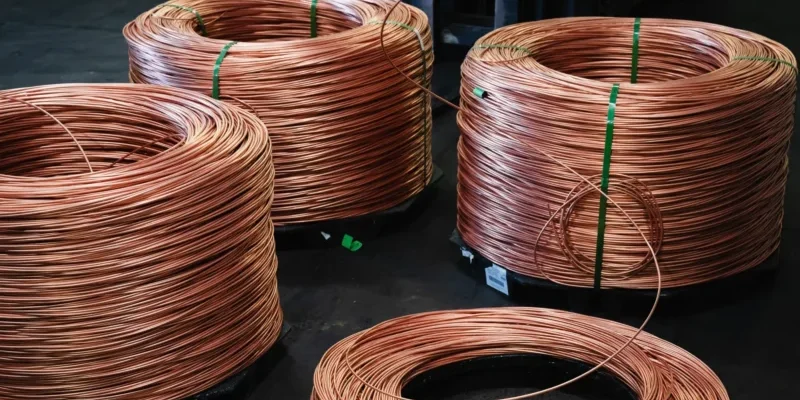
Among the opportunities identified is the expansion of copper-processing industries, including copper cable manufacturing and other value-added products.
The objective, he noted, is to maximize the benefits derived from Zambia’s mineral resources by ensuring more processing takes place within the country before export.
Infrastructure and Governance Key to Copper Production Ambitions
Meanwhile, mining activist Geoffrey Luchele has called on the government to accelerate investment in critical infrastructure and strengthen oversight mechanisms if Zambia is to achieve its ambitious target of producing three million tonnes of copper annually by 2031.
Luchele said the target remains attainable but warned that several structural challenges must be addressed to support sustainable growth in the mining industry.
Among the key concerns highlighted were inadequate road infrastructure, limited dry port capacity, environmental pollution, climate-related risks, labour exploitation and weaknesses in operational auditing and regulatory oversight.
He noted that rising copper production will place increasing pressure on transport infrastructure, particularly road networks that currently handle the bulk of mineral exports.
According to Luchele, expanding mining output should not come at the expense of environmental sustainability or the well-being of local communities.
He stressed that stronger environmental safeguards and monitoring mechanisms will be essential to ensure economic growth is achieved responsibly.
At the same time, government officials say significant progress is being made in strengthening governance within Zambia’s artisanal and small-scale mining sector.
Speaking during a peer-learning engagement involving the International Conference on the Great Lakes Region (ICGLR) and the Kimberley Process Certification Scheme, Ministry of Mines and Minerals Development Acting Permanent Secretary Anthony Chilengi outlined several reforms aimed at improving regulation and formalization.
These include the establishment of a dedicated department responsible for artisanal and small-scale mining, with a mandate to enhance oversight, provide support services and promote compliance across the sector.
The government is also organizing miners into cooperatives, delivering basic mining training, issuing licenses and creating formal mineral trading markets where miners can legally sell their production.
Officials believe these measures will help improve transparency, increase safety standards, reduce illegal mining and ensure broader participation in the benefits generated by the country’s mineral resources.
As Zambia pursues its goal of becoming one of the world’s leading copper producers, policymakers, regulators and industry stakeholders increasingly agree that stronger environmental governance, improved infrastructure and enhanced value addition will be critical to achieving sustainable long-term growth.